
Kumasi Travel Itinerary: How to Spend 1–3 Days in Ghana’s Cultural Capital
A Kumasi travel itinerary is a clear plan for moving through the city and parts of the region, grouping places in a practical order. This guide focuses on 1, 2, or 3 days, which are the most common time frames.
Kumasi is structured around busy market zones, royal sites, and cultural spaces that are located close to each other but can take time to reach if you move without a plan.
When stops are grouped properly, you spend less time in traffic and more time at major sites, markets, and cultural locations.
This guide shows how to organize your time step by step. You will see what fits into one day, how to extend into two days, and when it makes sense to leave the city on a third day.

Struggling to Keep Track of All Your Kumasi Adventures? No worries!
With so much to see, do, and learn in Kumasi, it’s easy for the details to get lost. Want to make the most of your explorations? Then you need this FREE Kumasi Journal Set!
It’s perfect for recording your favorite spots, and cultural experiences, and even learning key Twi words and phrases to deepen your connection to Kumasi. Whether you’re a local or a visitor, this journal makes every moment count.
Kumasi Travel Itinerary Based on Time and Location
Planning matters in Kumasi because distance on the map doesn’t always match travel time. Traffic can slow movement, especially around the city center, so grouping stops by area saves time.
Start with the main clusters. Manhyia sits close to the Cultural Centre and nearby historical sites. Adum and Kejetia fit together because they sit in the busiest commercial zone with continuous foot traffic and trading activity.
Bantama links easily to nearby central areas by short car rides. If you want a broader city overview first, read this Kumasi travel guide.
Kumasi Travel Itinerary Quick Plan (1–3 Days)
| Days | Route Focus | Key Stops |
|---|---|---|
| 1 Day | Central Kumasi | Manhyia Palace → Kejetia Market → Cultural Centre → Rattray Park |
| 2 Days | City + daily life | Day 1 (core route) + Day 2 (Zoo, markets, neighborhoods) |
| 3 Days | City + nearby trip | Day 1–2 (Kumasi) + Day 3 (Lake Bosomtwe or Bonwire) |
Travel time in Kumasi is not fixed. Some people visit Manhyia, Bonwire, and parts of the food scene in one day and still feel they covered a lot.
Others spend several days or a full week in Kumasi and the Ashanti Region and feel they have only seen part of it.
This depends on what you choose to focus on, how fast you move, and whether your visit includes time with family or specific events.
1 Day Kumasi Travel Itinerary With Key Cultural Sites
Morning: Manhyia Palace Museum
Begin at Manhyia Palace Museum. It explains the Ashanti Kingdom’s structure, how leadership works, and why Kumasi serves as its capital.
The palace is also the seat of the Asantehene, the traditional ruler of Asanteman. This leadership system connects Kumasi today to a political structure that has existed since the formation of the Ashanti Kingdom in the late 1600s.
Starting here also helps with flow. The site is calmer in the morning, so you can take in the history before the city gets busier.
Midday: Kejetia Market
Next, head to Kejetia Market. This is one of the city’s main commercial hubs, with many sections, heavy foot traffic, and constant movement.
Give yourself time here. You won’t see every part in one pass, and that’s fine. Focus on how traders arrange goods, how sections are organized, and how people move through narrow walkways between stalls.

Afternoon: Centre For National Culture, Kumasi
After Kejetia, slow the pace at the Centre for National Culture. The shift works well after the noise, crowding, and constant movement inside the market.
You can browse crafts, watch artisans at work, and spend time in a space that has wider walkways, fewer crowds, and direct interaction with makers.
Optional: Rattray Park
If you still have energy, end at Rattray Park. It provides a quieter setting with open space, seating areas, and less crowd pressure than the market.
Why This 1 Day Kumasi Travel Itinerary Works
This route keeps you in central Kumasi for most of the day. Movement stays short, and the order follows a clear structure.
You start with history, move into the market, and end with a slower cultural stop. This allows you to cover key sites without rushing or skipping stops.
2 Day Kumasi Travel Itinerary With Culture And Daily Life
Day 1: Core City Route
Use the same structure as the one-day plan. It covers Kumasi’s key cultural sites and offers a strong first impression of the city.
Day 2: Slower Exploration
Use day two with fewer fixed stops and more time between locations. Visit Kumasi Zoo, spend more time around market streets, or sit in a busy street area and observe how transport, street vendors, and foot traffic change across the day.
Why A 2 Day Kumasi Travel Itinerary Changes The Experience
Two days reduce the need to move quickly between locations. You stop moving quickly between locations and start observing how traffic builds, how markets operate, and how different areas of Kumasi function throughout the day.
3 Day Kumasi Travel Itinerary With Nearby Experiences
Day 1–2: Core Kumasi
Keep your first two days inside the city. That gives you time for Manhyia, Kejetia, the Cultural Centre, Rattray Park, and slower neighborhood observation.
Day 3 Option: Lake Bosomtwe
If you want a change of setting, spend day three at Lake Bosomtwe. Travel takes longer than moving within the city, and the setting changes from dense streets and markets to open space around the lake.
Day 3 Option: Bonwire
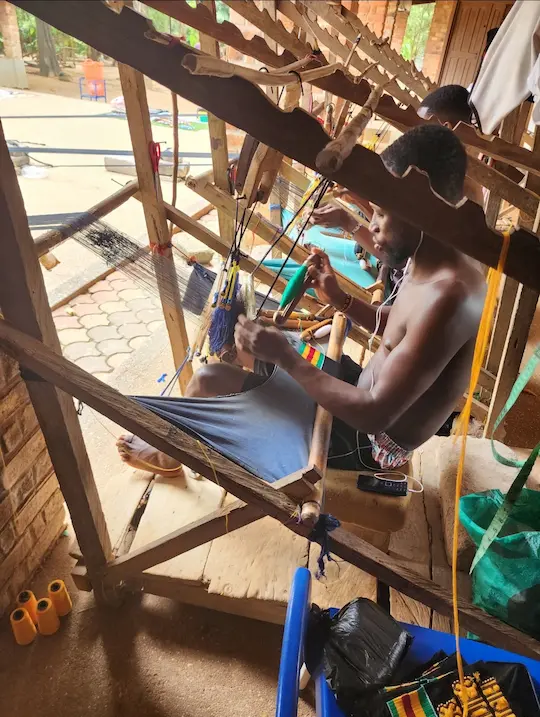
If you want more craft history, go to Bonwire. The town is known for kente weaving, where you can see weaving in process and understand how patterns are made and used.
Why A 3 Day Kumasi Travel Itinerary Includes Travel Outside The City
By day three, you’ve usually covered central Kumasi well. A nearby trip adds range, though it also means more road time and a slower overall schedule.
How To Group Attractions In A Kumasi Travel Itinerary To Save Time
Group stops based on location and road access. Pair Manhyia and Bantama on the same stretch of the day.
Keep Adum and Kejetia together because they share the city-center flow. Then add the Cultural Centre when you want a slower stop nearby.
Following this structure reduces repeat travel across the city and keeps each day focused within one area.
Best Places To Visit In A Kumasi Travel Itinerary By Location
These stops give the strongest mix of history, culture, and daily life. For more ideas, see things to do in Kumasi.
- Manhyia Palace Museum: Best for Ashanti history and royal context.
- Kejetia Market: Best for seeing the city’s trading activity and layout.
- Centre for National Culture: Best for crafts, workshops, and direct interaction with artisans.
- Rattray Park: Best for a quieter stop with space to sit and walk.
- Kumasi Zoo: Best for a lighter second-day visit.

How To Move Around During A Kumasi Travel Itinerary
Taxis and ride-hailing services are the easiest way to move between stops. Walking works in limited central areas, though heat, traffic, and road design can make long walks tiring.
Food is available across Kumasi, including street food, chop bars, and restaurants near markets, main roads, and neighborhood centers.
You might find food spots along your route, or head to specific places you already plan to visit.
Adjust your timing to midday, when traffic and heat are at their peak. For more planning help, use this Kumasi travel guide and this guide on staying safe in Kumasi.
What To Expect During A Kumasi Travel Itinerary
Markets can feel crowded fast, especially around Kejetia and Adum. Midday heat can slow you down, too, so lighter stops work better later in the day.
Traffic increases late morning and early evening, while early hours are usually less congested.
When To Adjust A Kumasi Travel Itinerary For Akwasidae
If your visit falls on the Akwasidae Festival, adjust your timing early. The festival brings larger crowds around Manhyia, more public gatherings, and longer wait times to access key areas.
Visit earlier in the day and allow extra time for crowds.
Simple Planning Tips For A Kumasi Travel Itinerary
Start with these practical steps:
- Start early: Morning hours are easier for major sites.
- Group nearby stops: Keep central Kumasi on the same day.
- Allow extra time: Traffic and crowds can throw your plan off.
- Build in rest: A short break helps more than one extra stop.
Enjoying This Post? Keep Exploring With Us!
If this post resonates with you, check out our store for fun, interactive ways to explore Kumasi, the Asante Kingdom, and the Ashanti Region. From history and culture to beginner-friendly Twi language learning, we’ve created resources to help you learn, connect, and share.

Kumasi travel itinerary questions and answers
How many days are enough for a Kumasi travel itinerary?
Two to three days are enough for a complete Kumasi travel itinerary. One day covers central sites, two days allow slower movement, and three days add nearby places.
What is the best order for a Kumasi travel itinerary?
Start at Manhyia Palace, move to Kejetia Market, then continue to the Cultural Centre. End at Rattray Park if time allows.
Can you complete a Kumasi travel itinerary in one day?
Yes. Focus on central Kumasi only, and keep your stops to Manhyia Palace, Kejetia Market, and the Cultural Centre.
How do you move around during a Kumasi travel itinerary?
Use taxis or ride-hailing for most trips. Walking works only in central areas, and traffic often builds around midday.
Should you visit Kumasi during Akwasidae?
Yes. Akwasidae gives direct access to public ceremonies at Manhyia, where drumming, gathering, and royal presence are visible, though you should expect crowds and start early.
“Kumasi is not difficult to explore. It becomes difficult when you move without a plan.”
Kumasi works best with a clear route, because traffic, crowded market zones, and trips between neighborhoods can quickly slow your day.
A good Kumasi travel itinerary groups stops within the same areas and reduces the need for repeat journeys.
If you have one day, stay within central Kumasi and follow a tight route. If you have two days, allow more time between stops to observe how the city moves.
If you have three days, include a nearby trip such as Lake Bosomtwe or Bonwire.
Use this structure as your base, then adjust it to your time, pace, and interests.
AKWAABA!! IF THIS POST CAPTURED YOUR ATTENTION, KEEP EXPLORING KUMASI WITH US AT ExploreKumasi.com. Yɛdaase!
You’ll find cultural guides, historical insights, and travel resources to help you experience Kumasi and the Ashanti Region more deeply.
💬 Want to stay connected? Join our community on Facebook to share your thoughts and discoveries.
📌 Inspired by what you read? Pin an image to come back later or share with someone planning their own Kumasi journey.
Thank you for exploring with us.


