
Buying Land in Kumasi: Full Verification Checklist Before You Pay
One payment can put you on a plot in Kumasi, or pull you into a land dispute that lasts for years. That is why buying land in Kumasi starts with checks, not cash.
Many buyers trust a friendly seller, a site visit, or a stack of papers. Later, they find a family dispute, a missing signature, or a plot already promised to someone else.

Struggling to Keep Track of All Your Kumasi Adventures? No worries!
With so much to see, do, and learn in Kumasi, it’s easy for the details to get lost. Want to make the most of your explorations? Then you need this FREE Kumasi Journal Set!
It’s perfect for recording your favorite spots, and cultural experiences, and even learning key Twi words and phrases to deepen your connection to Kumasi. Whether you’re a local or a visitor, this journal makes every moment count.
Buying Land in Kumasi Requires Full Verification Before Payment
Buying land in Kumasi and across the Ashanti Region involves more than payment. Land can be tied to family ownership, stool authority, and legal registration at the same time.
That structure comes from long-standing governance systems within Asanteman, where land and authority are linked and not controlled by one person alone.
Because of that, a seller’s confidence means little on its own. A person may hold papers and still lack authority, which can later make the sale invalid.
A family head may speak for land, yet other relatives may still need to consent, which can lead to objections after payment.
A stool allocation may exist, while the registration record shows something different, which can delay or block legal transfer.
Without proper checks, buyers face multiple ownership claims, incomplete documents, and legal disputes. Those problems often start with one skipped step.
How Land Authority and Registration Work in Kumasi
Land in Kumasi and across the Ashanti Region involves both traditional authority and state registration.
Some land is controlled by families. Some land is held under stool authority, where traditional leadership oversees allocation.
This structure comes from the governance system of Asanteman, where authority is layered and shared, not held by one individual alone.
At the same time, legal recognition happens through the Lands Commission, which records ownership and handles registration.
Ghana’s land system is guided by national law, including the Land Act, 2020 (Act 1036), which sets the rules for ownership, registration, and land transactions.
This means two things must align in a land transaction:
- the right person or group must have authority to sell the land
- the documents must be valid and accepted in the formal registration system
After purchase, the process continues through formal steps. The buyer executes the indenture, submits documents for registration, and transfers the land into their name.
In some stool land transactions, buyers may hear about recognition from traditional authorities such as Manhyia. This depends on the type of land and the transaction path.
It does not replace the need to verify ownership, consent, and registration through official records.
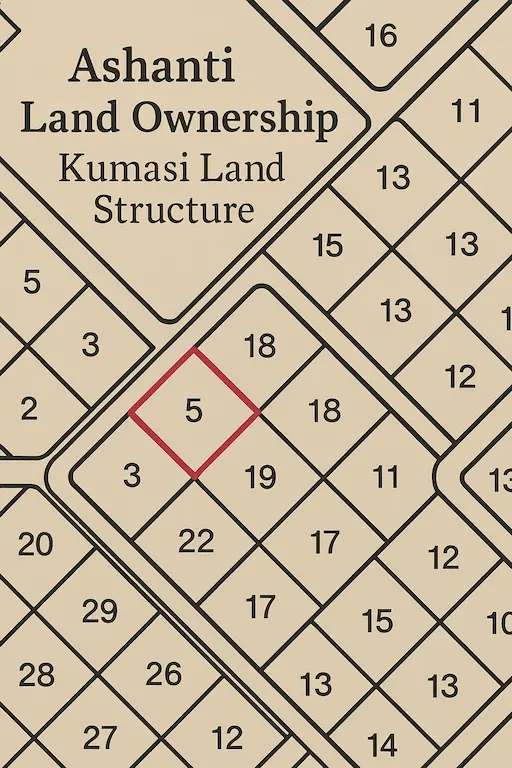
Use this order of verification and keep it in this order:
- Confirm the land interest, the seller’s authority, and that ownership matches official records.
- Check for family disputes, prior sales, and any conflicting claims on the land.
- Review all documents, including title status, site plan, and the indenture, for full consistency.
- Verify the land on the ground, then confirm access, land use, and the full cost before payment.
In Kumasi land deals, the risk usually sits in what no one checked, not in what everyone said.
Ownership and Authority Must Be Clear Before Any Payment
Ownership sits at the center of the whole deal. If you get this part wrong, every later document becomes weak.
What Exactly Is Being Sold
First, confirm the legal interest being transferred. You may be buying a leasehold, an assignment, or another recognized interest.
Leasehold means you are buying the right to use the land for a fixed number of years, not owning it forever.
Assignment means the land is being transferred from one private owner to another, not directly from the original landholding family or authority.
Ask how many years remain on that interest and get the answer in writing.
That detail affects control of the land. For example, a plot with a short remaining lease gives you less long-term value and may limit future resale or development. If the seller cannot explain the interest clearly, pause the deal.
Who Has the Right to Sell the Land
Next, identify the true party with power to sell. In Kumasi, that could be an individual owner, family representatives, or a stool or traditional authority, depending on the land.
Stool land refers to land held in trust by traditional authorities under a chief.
This is where many buyers slip. A person may present land without full authority to sell it, which can later invalidate the agreement.
For instance, one family member may act alone even though the land belongs to a wider family group. If stool land is involved, ask for the proper allocation path and supporting records.
Ownership Must Match Official Records
Then compare the seller’s name with the names on the documents and confirm the same details at the Lands Commission.
The Lands Commission is the government body that records and verifies land ownership in Ghana.
Names, plot numbers, and land descriptions should line up.
A mismatch creates a serious problem. If the seller’s identity does not match the official record, the transaction can fail later or be challenged. Even a small variation in names should be checked before you move forward.
The Land Must Be Free from Disputes and Conflicting Claims
After ownership, check whether anyone else can challenge the transaction. Land disputes often stay hidden until payment is done.
Family Claims and Consent Must Be Confirmed
If family land is involved, ask who the heirs are and whose approval is required. In many cases, one relative cannot complete the sale alone.
This matters because other family members can challenge the sale after payment, which can lead to court action or renegotiation. A buyer may hold an indenture, yet face an objection from siblings, children, or elders who say they never consented. Written consent and clear representation reduce that risk.
Previous Sales or Multiple Buyers Must Be Ruled Out
Also ask whether the same plot has been sold before, reserved, or assigned to another buyer. Do not rely on verbal denial. Check the records and ask neighbors or nearby developers what they know about the land.
This is a common problem in fast-growing areas. Two buyers may show up with different papers for the same plot. Once that happens, resolving ownership can take time, money, and legal intervention.
If a seller pushes for urgent payment before these checks, treat that as a warning sign.
Documentation Must Be Complete and Consistent
Once the seller’s authority looks sound, turn to the paperwork. Every document should support the same story.
Land Title Status Must Be Verified
Find out whether the land is fully titled, in the title process, or not registered. Ask for proof of the current status, not a promise that registration will happen later.
Untitled land carries more risk and often brings delays. You may still buy an untitled interest, but you should know that the path to full registration may take time and cost more than expected.
Site Plan Must Match the Actual Land
A site plan is a document that shows the exact location, size, and boundaries of the land on paper.
Review it closely. The boundaries, size, adjoining plots, and location must match the land you saw on the ground.
Even small differences can cause trouble. For example, a site plan may show one size, while the physical plot is smaller or shifted. That gap can trigger boundary disputes or make registration difficult.
Indenture Must Reflect the Full Agreement
An indenture is the formal legal document that records the agreement between the seller and the buyer. It describes the land, names the parties involved, and confirms the transfer of interest.
The indenture should list all parties correctly and describe the land with enough detail to identify it clearly. It should also carry the right signatures and dates.
Weak contracts tend to fail when a dispute starts. If the document leaves out a required party, uses a vague land description, or carries missing signatures, the buyer may struggle to defend their claim. A lawyer should review the final draft before payment and signing.
Enjoying This Post? Keep Exploring With Us!
If this post resonates with you, check out our store for fun, interactive ways to explore Kumasi, the Asante Kingdom, and the Ashanti Region. From history and culture to beginner-friendly Twi language learning, we’ve created resources to help you learn, connect, and share.

The Land Must Be Verified Physically on the Ground
Papers can look clean while the land itself tells a different story. That is why physical checks come next.
Boundary and Survey Accuracy Must Be Confirmed
Hire a licensed surveyor to confirm the coordinates and mark the boundaries.
A licensed surveyor is a professional who measures and confirms land boundaries using official mapping systems.
The survey data should match the site plan and any official records.
This check matters because overlapping plots create ownership conflicts. A buyer may think they own one parcel, while the coordinates place part of it inside another person’s claim.
Physical Inspection Must Match Documentation
Visit the land in person, and do not stop at one visit. Measure what you can, look for boundary markers, and check whether anyone has already occupied part of the plot.
The land size on paper must match what exists on site. Also check for fences, structures, farming activity, or visible encroachment. If you pay for 100 by 80 feet and receive less land in practice, resolving the difference can take time.
Access and Land Use Must Be Clearly Defined
A valid plot still needs legal access and a usable purpose. Buyers often notice these issues too late.
Legal Access to the Land Must Be Confirmed
Check whether the plot has road access or a lawful right of way. A path used by neighbors is not always a legal access route.
This affects daily use and future building plans. A person may own a plot and still struggle to reach it with materials, vehicles, or services.
Land Use and Government Status Must Be Verified
Then confirm what the land can be used for, such as residential or commercial development. Also, check whether the land falls under government acquisition or any public reservation.
These limits matter because some plots cannot be developed as expected. Others may sit in areas marked for public use. In such cases, building approval may stall, or the land may face reclaim issues later.
Total Cost Must Be Clear Before Completing the Purchase
The purchase price is only part of the full cost. Many buyers discover this after they have already committed.
Additional Costs Must Be Accounted For
Ask for a full cost breakdown before payment. That should include survey fees, legal fees, stamp duty, and registration costs.
Those charges can raise the total well above the quoted land price. When buyers fail to plan for them, the process slows down midway.
Pending Work Must Be Identified Before Payment
Also confirm what work remains unfinished. The seller may still need to complete documents, provide signatures, or start registration.
If those steps are pending, put them in writing. Otherwise, the buyer may carry the full burden after payment, which often leads to delays and additional costs.
Each Step Protects You from Common Land Buying Mistakes
Most land buying mistakes come from three habits: skipping checks, relying on verbal promises, and ignoring document gaps. Each step in this checklist addresses one of those risks.
The order matters. First, confirm authority. Next, check for disputes. Then review documents.
After that, verify the land itself, its access, and its allowed use. Finally, count the full cost and identify any unfinished work.
Common Questions About Buying Land in Kumasi
Can I buy land in Kumasi with only a receipt?
A receipt alone is weak proof. You need a proper agreement, supporting land documents, and registration steps that connect the seller to the land.
Is a site visit enough before payment?
No. A site visit helps, yet it does not prove ownership, authority, or freedom from disputes. You still need document and record checks.
Should I use a lawyer and a surveyor?
Yes. A land lawyer and a licensed surveyor help verify documents and confirm boundaries. Their fees are usually smaller than the cost of resolving a bad purchase.
How long does land registration take in Kumasi?
Land registration can take several months to over a year, depending on the completeness of documents, verification steps, and any disputes or corrections that arise during the process.
TL;DR: What to Check Before You Buy Land in Kumasi
Do not pay until you have:
- confirmed the land interest, seller authority, and ownership records
- ruled out disputes, family claims, and prior sales
- reviewed all documents for consistency
- verified the land on the ground, including access and boundaries
- confirmed land use and full cost
Final Clarity Before You Pay
A land purchase in Kumasi and the Ashanti Region can be safe when the process is followed carefully. Risk grows when ownership is unclear, documents do not match, and verification is skipped.
Paperwork provides protection when it clearly connects the seller, the land, and the official records used to confirm ownership. Before you pay, walk through this checklist with your lawyer and surveyor, then keep copies of every document for reference.
AKWAABA!! IF THIS POST CAPTURED YOUR ATTENTION, KEEP EXPLORING KUMASI WITH US AT ExploreKumasi.com. Yɛdaase!
You’ll find cultural guides, historical insights, and travel resources to help you experience Kumasi and the Ashanti Region more deeply.
💬 Want to stay connected? Join our community on Facebook to share your thoughts and discoveries.
📌 Inspired by what you read? Pin an image to come back later or share with someone planning their own Kumasi journey.
Thank you for exploring with us.


