Why Kumasi Is Called the Garden City of Ghana: History, Parks, and Urban Growth
Many people hear Kumasi called the Garden City of Ghana and wonder where the name came from.
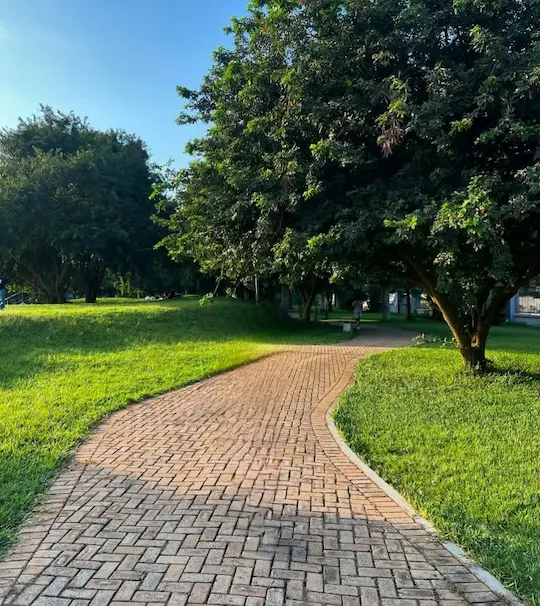
The nickname refers to the city’s long reputation for trees, parks, and green spaces across Kumasi.
The reputation developed through several factors, including Kumasi’s forest environment, early city planning during colonial administration, and public parks and green areas that remain visible across the city today.
Understanding the Garden City name helps explain how Kumasi developed and why green spaces remain important to the city.
Quick Answer: Why Kumasi Is Called the Garden City of Ghana
Kumasi is known as the Garden City of Ghana for its trees, parks, and green spaces.
The nickname gained popularity in the early twentieth century when colonial planners expanded Kumasi with tree-lined streets and landscaped public areas built on the forest environment surrounding the Ashanti capital.

Struggling to Keep Track of All Your Kumasi Adventures? No worries!
With so much to see, do, and learn in Kumasi, it’s easy for the details to get lost. Want to make the most of your explorations? Then you need this FREE Kumasi Journal Set!
It’s perfect for recording your favorite spots, and cultural experiences, and even learning key Twi words and phrases to deepen your connection to Kumasi. Whether you’re a local or a visitor, this journal makes every moment count.
Early Asante Settlement Patterns and Forest Landscapes
Kumasi developed within the forest environment of the Ashanti Kingdom. The region supported dense vegetation, farmland, and forest paths that connected towns across Asanteman.
Homes, farms, and forest areas often existed close together. Shade trees and natural vegetation were part of everyday life in the region.
This landscape contributed to Kumasi’s later reputation as a green city.
Kumasi’s Location in Ghana’s Forest Belt
Kumasi is located within Ghana’s forest belt, an ecological zone known for dense tropical vegetation and large shade trees.
This environment shaped settlement patterns in the Ashanti region. Communities developed within forest landscapes where vegetation provided shade, building materials, and protection from heat.
Because of this natural setting, greenery was already visible across Kumasi long before modern urban planning expanded the city.
How Colonial Urban Planning Shaped Kumasi
The phrase “Garden City” became widely associated with Kumasi during the British colonial administration in the early twentieth century.
City planning during this period introduced:
• tree-lined roads
• public gardens
• wider streets with planted vegetation
• organized residential layouts
These developments introduced tree-lined streets and public gardens across Kumasi.
By the 1920s, visitors and administrators described Kumasi as a green city because of its trees and landscaped streets.
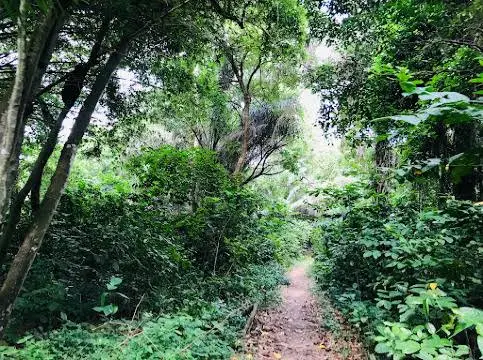
Parks and Green Spaces That Built Kumasi’s Garden City Reputation
Several well-known locations continue to reflect Kumasi’s green identity.
- Rattray Park
A modern recreational park used for public gatherings and relaxation. - KNUST Botanical Gardens
Located on the campus of Kwame Nkrumah University of Science and Technology, these gardens support plant research and conservation. - Kumasi Zoo
Established in the 1950s, the zoo is located within a wooded environment near the city center. - Owabi Wildlife Sanctuary and Dam
A protected forest and wetland area northwest of Kumasi. The sanctuary supports birdlife, forest conservation, and supplies water to parts of the city. - Bobiri Forest Reserve
A forest reserve outside Kumasi is known for butterflies, biodiversity, and conservation activities. - Nearby Lake Bosomtwe also attracts visitors seeking natural scenery within the Ashanti Region.
Key Moments That Shaped Kumasi’s Garden City Reputation
Several historical developments influenced Kumasi’s green identity.
• Late 1600s – Kumasi develops as the capital of the Asante Kingdom within a forest landscape.
• 1896 – British forces occupy Kumasi and exile Asantehene Prempeh I.
• Early 1900s – Colonial planners expand roads and introduce landscaped green areas.
• 1920s – Kumasi gains a reputation across West Africa for tree-lined streets and vegetation.
• 1957 onward – Public parks, schools, and government compounds continue planting trees.
How Rapid Urban Growth Has Changed Kumasi’s Green Landscape
Kumasi has expanded rapidly over the past several decades.
Urban growth has brought:
• housing expansion
• road construction
• market development
• population growth
These changes have reduced tree cover in some areas and placed pressure on drainage systems and waterways.
Many residents still refer to Kumasi as the Garden City, even though housing expansion, road construction, and commercial development have reduced tree cover in some parts of the city.
As Kumasi expands, some public green spaces face challenges, including tree removal, construction pressure, and inconsistent maintenance.
At the same time, newer housing and development projects continue shaping conversations about Kumasi’s future growth.
One example is the proposed Green City housing project in Dedesua, a growing community near Kumasi where plans for a large residential development have been publicly announced.
Projects like this show how ideas connected to planning, green space, and organized urban expansion are still part of discussions about Kumasi’s future, even as the city continues facing pressure from rapid development and population growth.
Enjoying This Post? Keep Exploring With Us!
If this post resonates with you, check out our store for fun, interactive ways to explore Kumasi, the Asante Kingdom, and the Ashanti Region. From history and culture to beginner-friendly Twi language learning, we’ve created resources to help you learn, connect, and share.

Efforts to Protect Green Spaces in Kumasi Today
Despite urban expansion, several efforts continue to support green spaces in Kumasi.
These include:
• university research and conservation programs
• city beautification initiatives
• community tree planting activities
• environmental awareness campaigns in schools
These programs help maintain vegetation and encourage responsible urban development.
Why Kumasi Became Known as the Garden City
Several factors contributed to Kumasi’s Garden City reputation:
• the forest environment of the Ashanti region
• colonial planning with tree-lined roads
• public parks and gardens
• large institutional campuses such as KNUST
• efforts to maintain greenery in urban spaces
Together, these elements explain why Kumasi became known as the Garden City.
Common Questions About Kumasi’s Garden City Name
Why Kumasi Is Called the Garden City of Ghana
Kumasi is called the Garden City of Ghana because of its long reputation for trees, parks, and green spaces. The nickname became widely used in the early twentieth century when city planners expanded tree-lined roads and gardens across the city.
When the Garden City Name Became Popular
The name became widely used during the early twentieth century under British colonial administration when urban planning emphasized greenery and landscaped public spaces.
Whether Kumasi Still Fits the Garden City Description
Kumasi still has important green spaces such as Rattray Park, the KNUST Botanical Gardens, and nearby forest reserves. However, rapid urban growth has reduced vegetation in some areas.
Well-Known Green Spaces Connected to Kumasi
• Rattray Park
• KNUST Botanical Gardens
• Kumasi Zoo
• Bobiri Forest Reserve
• Lake Bosomtwe
Why Trees Matter in Kumasi
Trees provide shade, improve air quality, and help regulate heat in tropical cities. They also contribute to Kumasi’s historical identity as a green city.
Why the Garden City Identity Still Matters
The name Garden City of Ghana reflects a long history connected to Kumasi’s environment, planning, and public spaces.
The city developed within a forest region, expanded through organized planning during the colonial period, and continues to maintain parks and green areas despite rapid growth.
Protecting trees and public green spaces remains important for Kumasi’s future development.
AKWAABA!! IF THIS POST CAPTURED YOUR ATTENTION, KEEP EXPLORING KUMASI WITH US AT ExploreKumasi.com. Yɛdaase!
You’ll find cultural guides, historical insights, and travel resources to help you experience Kumasi and the Ashanti Region more deeply.
💬 Want to stay connected? Join our community on Facebook to share your thoughts and discoveries.
📌 Inspired by what you read? Pin an image to come back later or share with someone planning their own Kumasi journey.
Thank you for exploring with us.